

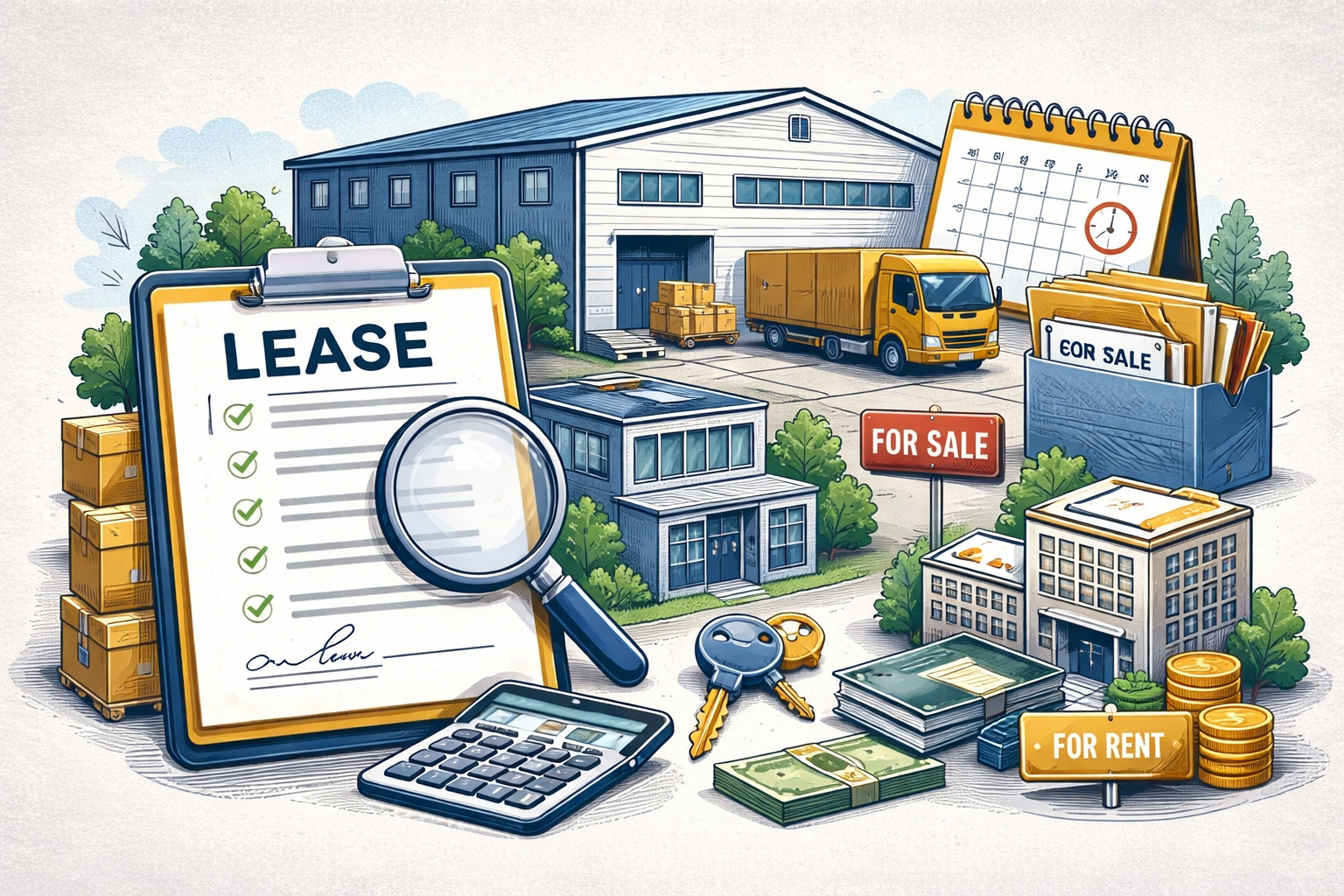

When selling a beverage wholesale or distribution business in Sydney, owners often focus on revenue, margins, and customer numbers. But in real transactions, buyers often look at one thing first: the lease.
For wholesalers, the warehouse isn’t just a space—it’s the backbone of operations. A weak lease can stall or even kill a deal.
1. Remaining lease term matters
Wholesale businesses invest heavily in shelving, layout, and logistics infrastructure. If the lease term is short or lacks renewal options, buyers worry about being forced to relocate. Moving a warehouse means downtime, potential customer loss, and significant setup costs—all of which reduce the business value.
2. Assignment clauses & timing of landlord approval
In practice, landlords typically require a formal offer and signed Heads of Agreement (HOA) before considering lease transfer approval. This means sellers don’t always need to approach landlords before securing a buyer.
However, that doesn’t mean the lease should be overlooked. Before going to market, it’s important to:
- Review remaining lease term
- Confirm renewal options
- Check assignment conditions
- Understand any landlord approval requirements
This ensures there are no surprises when a deal reaches the agreement stage.
3. Logistics and usage restrictions
Buyers will also assess whether the site supports operations:
- Truck access
- Loading/unloading facilities
- Operating hour restrictions
- Zoning and permitted use
Any limitation here directly impacts business scalability—and therefore valuation.
From a broker’s perspective:
In wholesale distribution, lease stability equals buyer confidence. A clear, transferable, and well-structured lease helps deals move faster and protects value. A weak lease, on the other hand, is not a minor issue—it’s a core risk.

