


In Part 1, we established that cash flow is the foundation of any laundromat valuation. But beyond the numbers, there are three tangible factors that buyers scrutinise closely — and that can make a significant difference to your final sale price.
- Equipment Condition — The Physical Backbone
A laundromat is fundamentally a capital-intensive business, and the state of your equipment speaks volumes. Buyers typically focus on three things:
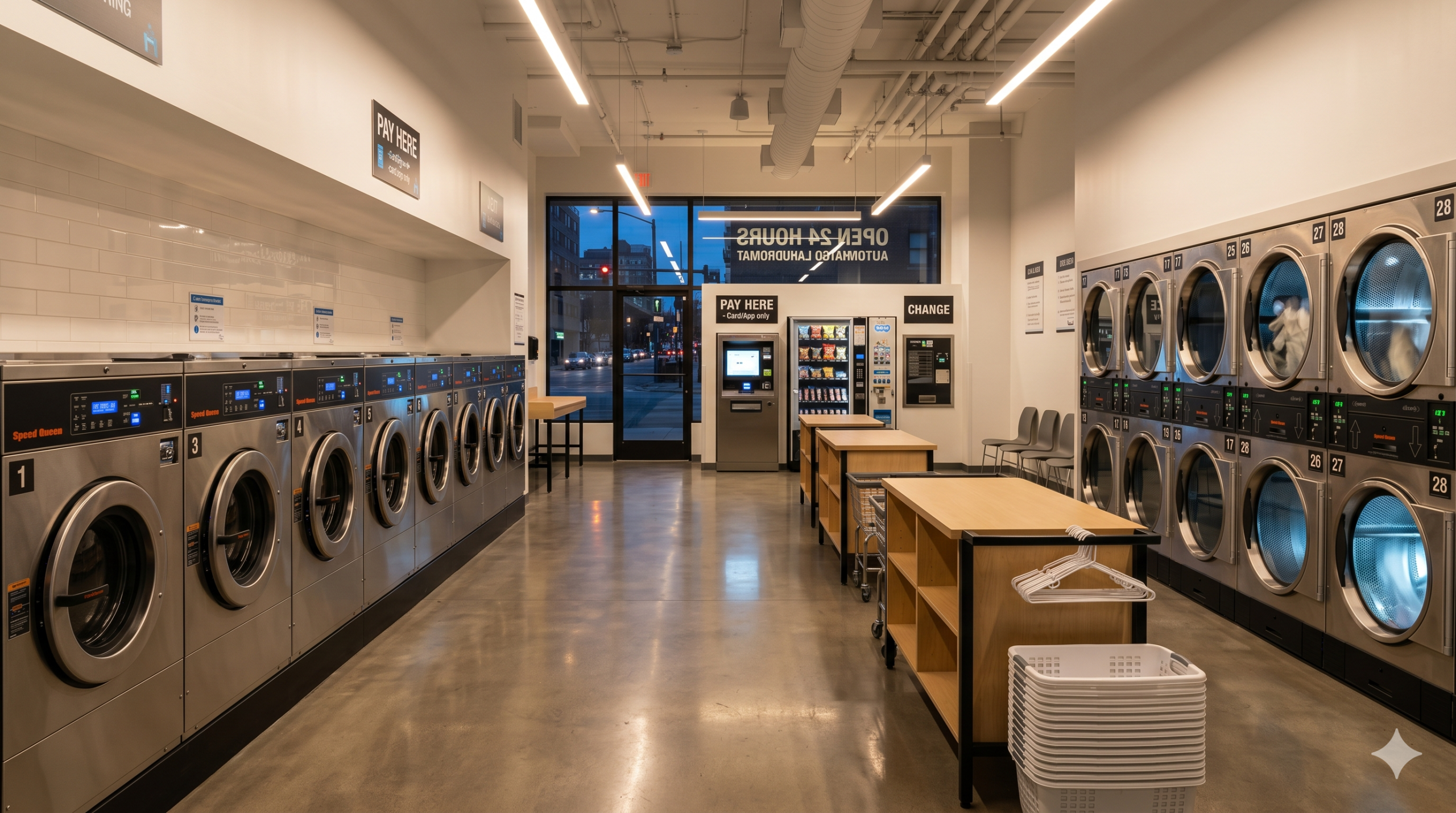
- Brand: Commercial-grade brands like Speed Queen and Electrolux are the standard in Sydney — they’re built for high-volume, continuous use and give buyers confidence in reliability.
- Age: The 8–12 year mark is a critical threshold. Machines beyond 12 years are generally approaching end-of-life and may require replacement shortly after purchase — a cost buyers will factor into their offer.
- Energy efficiency: Gas-powered dryers are significantly more attractive than electric alternatives, often cutting operating costs by over 30%. This alone can be a meaningful valuation booster.
- Lease Terms — Often the Deciding Factor
The quality of your lease matters far more than most sellers anticipate. Because laundromats require DA (development approval) to operate, relocating is prohibitively expensive — which makes the landlord, in effect, a silent stakeholder in your business. Buyers will closely examine:
- Rent-to-revenue ratio — ideally no more than 35% of gross income
- Remaining lease term — a minimum of 5 years is generally expected
- Flexibility for upgrades — particularly the ability to install gas lines or modify equipment
- Location — Your Built-In Competitive Advantage
Where your laundromat sits often determines its long-term viability. Buyers look for:
- High-density residential areas — suburbs like Chatswood and Paddington, where apartment living is the norm, naturally generate consistent foot traffic.
- Accessibility — proximity to public transport and available parking encourages repeat visits and makes the business easier to run.
- Limited local competition — within a 2-kilometre radius, having no direct competitors is a clear valuation premium. The less competition, the more defensible the business.
Commercial accounts — ongoing relationships with Airbnb hosts, sports clubs, gyms, or similar clients add a layer of revenue stability that buyers find very attractive.

